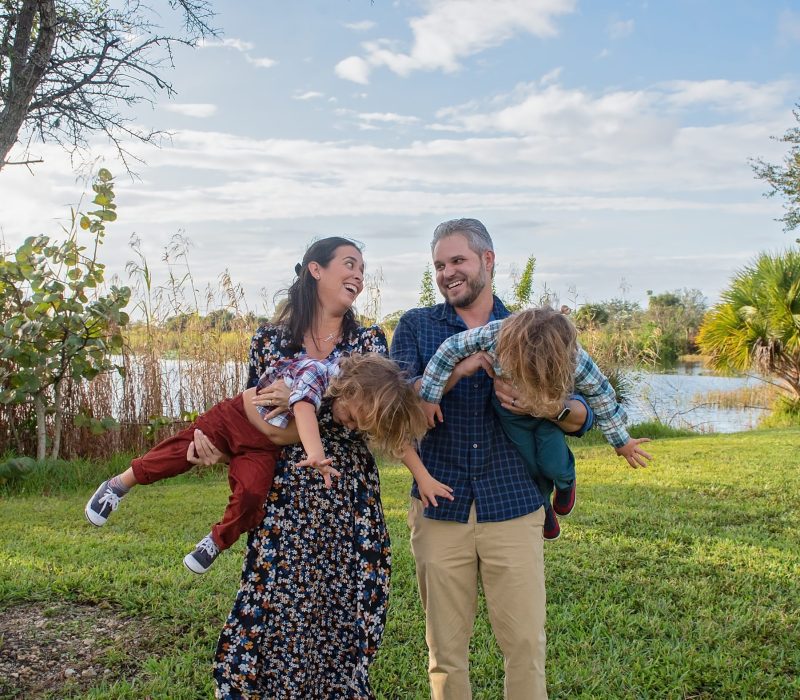
I embrace an educational approach that might best be described as “mindfully messy” (there is a method to my madness, I promise!) Here’s what I tend to focus on:
Interest-led learning – I believe children learn most deeply when pursuing topics that genuinely excite them, not to mention, this approach is just for fun for everyone. Caution: a child’s excitement is extremely contagious! Rather than forcing rigid subjects at predetermined times, I like to follow my boys’ curiosities. Of course, I still teach core academics, but I like to thoughtfully weave them in. As an example, when they became fascinated with ocean life (every little Floridian’s birthright!), we incorporated a marine biology co-op which included monthly trips to the beach to dive deeper (pun incredibly intended)
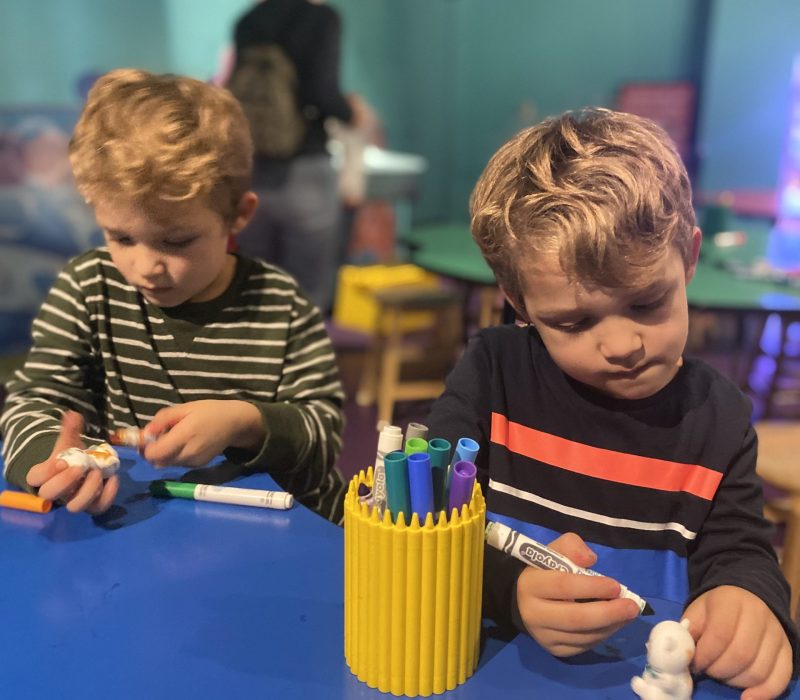
Education through experiences – Just like every parent likes an experience-based gift, rather than another toy we have to figure out what to do with. I take a similar approach to teaching; I prioritize hands-on experiences over worksheets whenever possible. I am a big believer that learning happens through doing, really in adults and children —and that can look like measuring ingredients for recipes, practicing a foreign language with a native speaker, or observing wildlife in natural habitats. These immersive experiences create connections that a textbook alone cannot match.
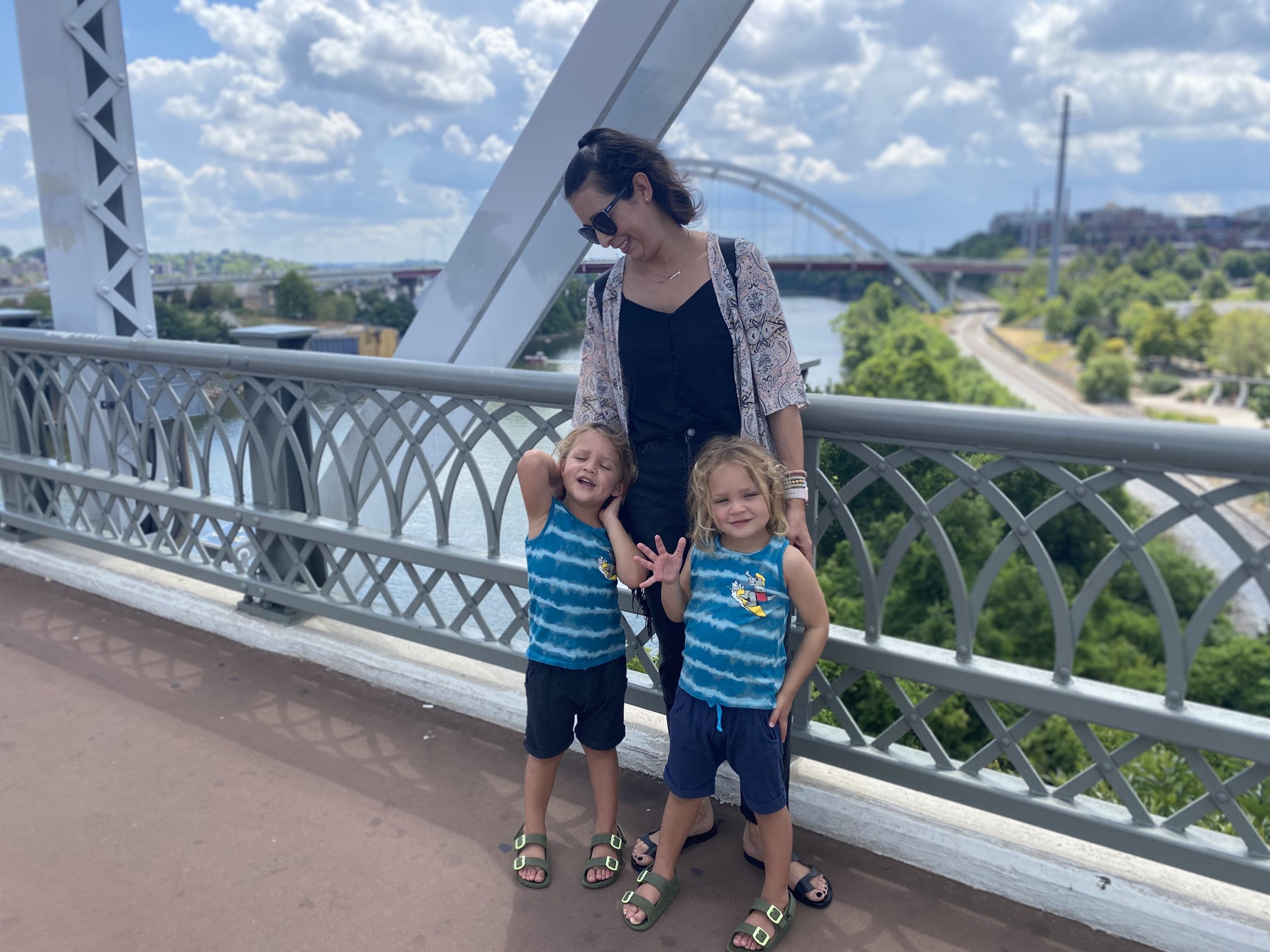
Surroundings-as-classroom – I believe that a well-rounded education is one that is able to connect students to both their immediate environment and to the broader world. We do this through our many South Florida explorations, where we study local ecosystems, history and beyond; and it extends to our travels, where brand new environments become captivating and unique classrooms.
Whole-child development – In my opinion, academic knowledge should just be one facet of education. I place equal emphasis on social-emotional learning, physical development, creative expression, character building, and practical life skills. A day spent developing resilience through failed experiments or practicing conflict resolution and showing compassionate kindness to peers is as valuable as any academic pursuit in my book.
Rhythms over schedules – While structure provides security, and I love a routine, rigid hour-by-hour schedules just never work with the natural flow of discovery and learning. I try to maintain consistent daily and weekly rhythms that provide stability while allowing major flexibility for deep dives into subjects, rabbit holes and all kinds of spontaneous educational opportunities.
My approach isn’t just about the rejection of traditional education—I absolutely use structured materials when I think it is appropriate and recognize the value of core academics. However, I’ve seen firsthand how messy little minds flourish with given the chance to have meaningful, educational experiences and can guide themselves using their own sense of wonder.
As I often remind myself (especially in those challenging moments): education isn’t about filling brains with information; it’s about lighting conflagrations of curiosity that will burn throughout their lives. That process will often get messy—embrace it!
For a peek into one of our not-so-traditional days, please enjoy this post: